
Quick Answer
Kinetic chain physiotherapy focuses on how your joints, muscles, nerves, and connective tissues work together during movement. When one area becomes stiff, weak, painful, or poorly coordinated, other parts of the body must compensate. This can increase stress on tissues and contribute to injuries in areas far away from the original problem. Understanding the kinetic chain helps physiotherapists identify the true source of pain and improve long-term recovery.
What Is the Kinetic Chain Physiotherapy?
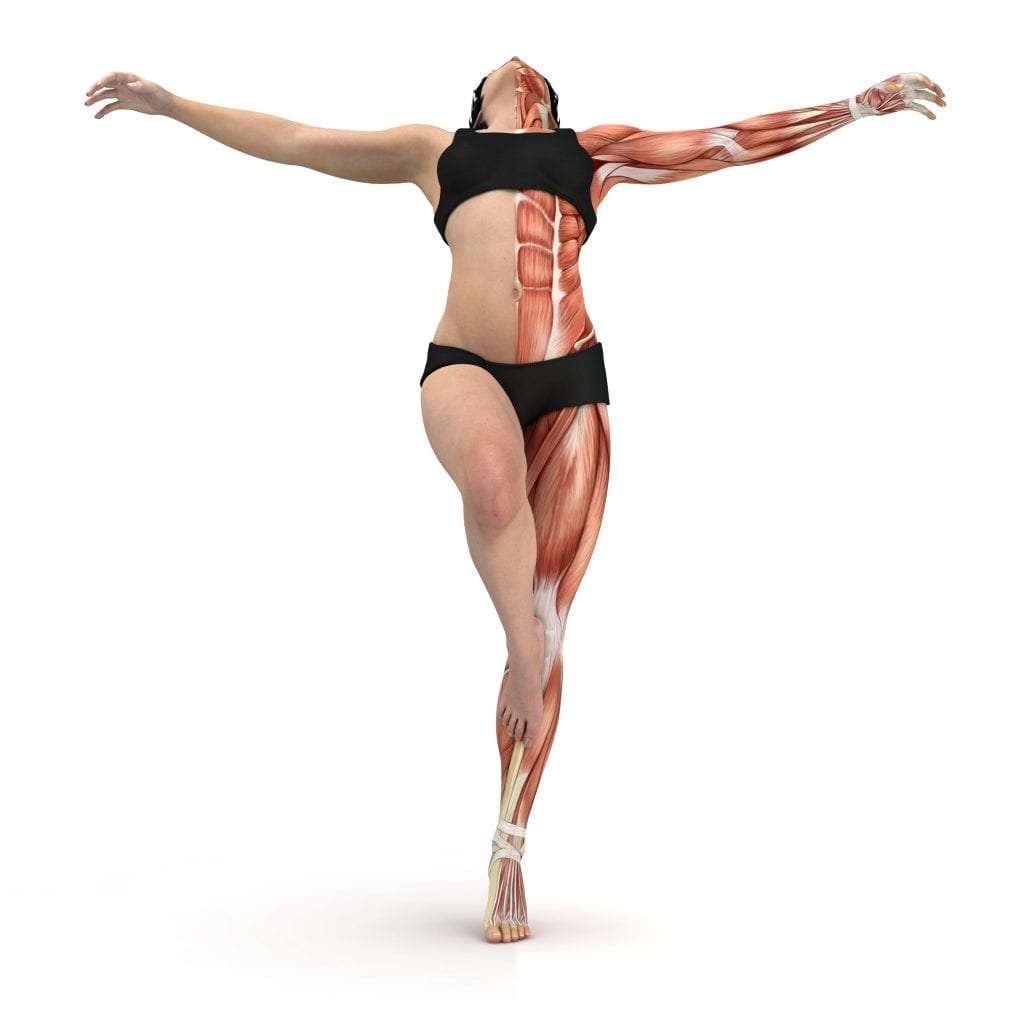
Your body was designed to move as a connected system.
When you walk, run, lift, throw, swing a golf club, or reach overhead, movement doesn't occur in a single joint. Instead, energy is transferred through multiple body regions working together.
This interconnected system is known as the kinetic chain.
A simple example is walking:
- Your foot contacts the ground.
- Your ankle absorbs force.
- Your knee controls movement.
- Your hip stabilizes your pelvis.
- Your core transfers energy.
- Your spine and shoulders balance your body.
If one link isn't functioning properly, the rest of the chain must adapt.
Why the Kinetic Chain Physiotherapy Matters
Many people assume pain is caused by damage in the area that hurts.
Sometimes that's true.
However, many chronic or recurring injuries occur because another part of the body isn't doing its job properly.
For example:
- Hip weakness may contribute to knee pain or groin pain.
- Limited ankle mobility may increase stress on the low back.
- Reduced spinal mobility may increase shoulder strain.
- Neck stiffness may contribute to headaches.
- Core weakness may increase stress on the shoulder or elbow during pitching.
The painful area is often the victim rather than the source of the problem.
Common Examples of Kinetic Chain Problems
Shoulder Pain

A shoulder injury isn't always a shoulder problem.
During reaching, lifting, swimming, tennis, baseball, and volleyball, your shoulder relies on:
- Thoracic spine mobility
- Core stability
- Scapular control
- Hip and trunk rotation
When these areas become restricted, the shoulder may compensate by moving excessively.
Over time this can contribute to:
- Rotator cuff irritation
- Tendinopathy
- Shoulder impingement
- Labral injuries
Restricted spinal mobility, poor scapular control, and core weakness can all increase stress on the shoulder. Learn more about common causes and treatment options on our Shoulder Pain Physiotherapy page.
Running Injuries

Running requires efficient energy transfer from the ground through the entire body.
Weakness or mobility restrictions in one area can increase stress elsewhere.
Common examples include:
- Hip weakness contributing to knee pain
- Ankle stiffness affecting running mechanics
- Core weakness increasing pelvic instability
- Reduced calf strength increasing Achilles tendon load
This is why runners often benefit from assessment beyond the painful area.
Many running injuries develop when one part of the kinetic chain absorbs more force than it was designed to handle. Learn more on our Physiotherapy for Runners page.
Low Back Pain
The low back often acts as a bridge between the upper and lower body.
When the hips become stiff or weak, the spine may compensate.
Examples include:
- Limited hip rotation increasing spinal rotation
- Hip weakness causing excessive trunk movement
- Reduced ankle mobility altering lifting mechanics
Treating only the low back may miss the reason the back became overloaded. Hip mobility restrictions and weakness are common contributors to low back pain and outer hip pain. Visit our Back Pain Physiotherapy page to learn how these factors can affect your recovery.
Neck Pain and Headaches
The neck depends on proper support from surrounding regions.
Contributors may include:
- Forward head posture
- Thoracic stiffness
- Shoulder weakness
- Jaw dysfunction
- Poor workstation ergonomics
This helps explain why some headaches and neck conditions improve only after addressing the shoulders, upper back, or jaw. Learn more on our Neck Pain Physiotherapy page.
Pitching Injuries

Baseball pitching provides one of the clearest examples of the kinetic chain in action, where power generated from the legs and trunk is transferred through the shoulder and elbow to the ball.
Power begins in:
- The legs
- The hips
- The trunk
- The shoulder
- The elbow
- The hand
When force isn't generated efficiently from the lower body and core, greater stress is placed on the shoulder and elbow.
This can contribute to:
- Rotator cuff injuries
- Elbow tendon injuries
- UCL injuries
- Reduced velocity
- Early fatigue
A recent article discussed this topic in the overhead athlete.
Signs Your Pain May Be Related to the Kinetic Chain
The source of your problem may not be where you feel symptoms if:
- Treatment only provides temporary relief.
- Symptoms repeatedly return.
- Imaging findings don't match your symptoms.
- Pain changes depending on activity.
- You have multiple painful areas.
- Performance has declined without a clear injury.
- You notice weakness, imbalance, or poor coordination.
What Is Kinetic Chain Physiotherapy?
Kinetic chain physiotherapy is an assessment and treatment approach that looks beyond the painful area to identify movement restrictions, weakness, or coordination problems elsewhere in the body. Rather than focusing only on where symptoms occur, kinetic chain physiotherapy examines how the entire body works together during activities such as running, lifting, golfing, pitching, and everyday movement. This approach often helps uncover the underlying factors contributing to recurring injuries and persistent pain.
How Kinetic Chain Physiotherapy Assessments Work

A kinetic chain assessment looks beyond the painful area.
Your physiotherapist may evaluate:
Movement Patterns
- Walking
- Running
- Squatting
- Reaching
- Lifting
- Sport-specific movements
Joint Mobility
- Ankles
- Hips
- Spine
- Shoulders
- Neck
Strength
- Core muscles
- Hip muscles
- Scapular stabilizers
- Sport-specific muscle groups
Balance and Control
- Single-leg stability
- Dynamic control
- Coordination
The goal is to identify the factors contributing to overload before symptoms become chronic.
How Kinetic Chain Physiotherapy Helps Recovery
Treatment is often directed at both:
The Painful Area
To reduce symptoms and improve function.
The Contributing Areas
To reduce the stresses that created the problem.
Depending on your assessment, treatment may include:
- Manual therapy
- Mobility exercises
- Strengthening programs
- Running assessments
- Postural correction
- Sport-specific rehabilitation
- Movement retraining
Addressing the entire movement system often produces more durable results than focusing solely on the painful tissue.
When Should You See a Physiotherapist?
Consider an assessment if:
- Pain keeps returning.
- Symptoms limit sports or exercise.
- Recovery has stalled.
- Multiple areas feel stiff or painful.
- You are preparing for a sports season.
- Your injury doesn't seem to match imaging findings.
- You want to prevent future injuries.
Early identification of kinetic chain problems can often prevent small issues from becoming larger injuries.